
Coverage line
Commercial Auto Insurance for Flooring Contractors
For the vans, pickups and trailers that carry your crews and your material, the trucks you rent for a big order, and the crew cars that run to the supplier.
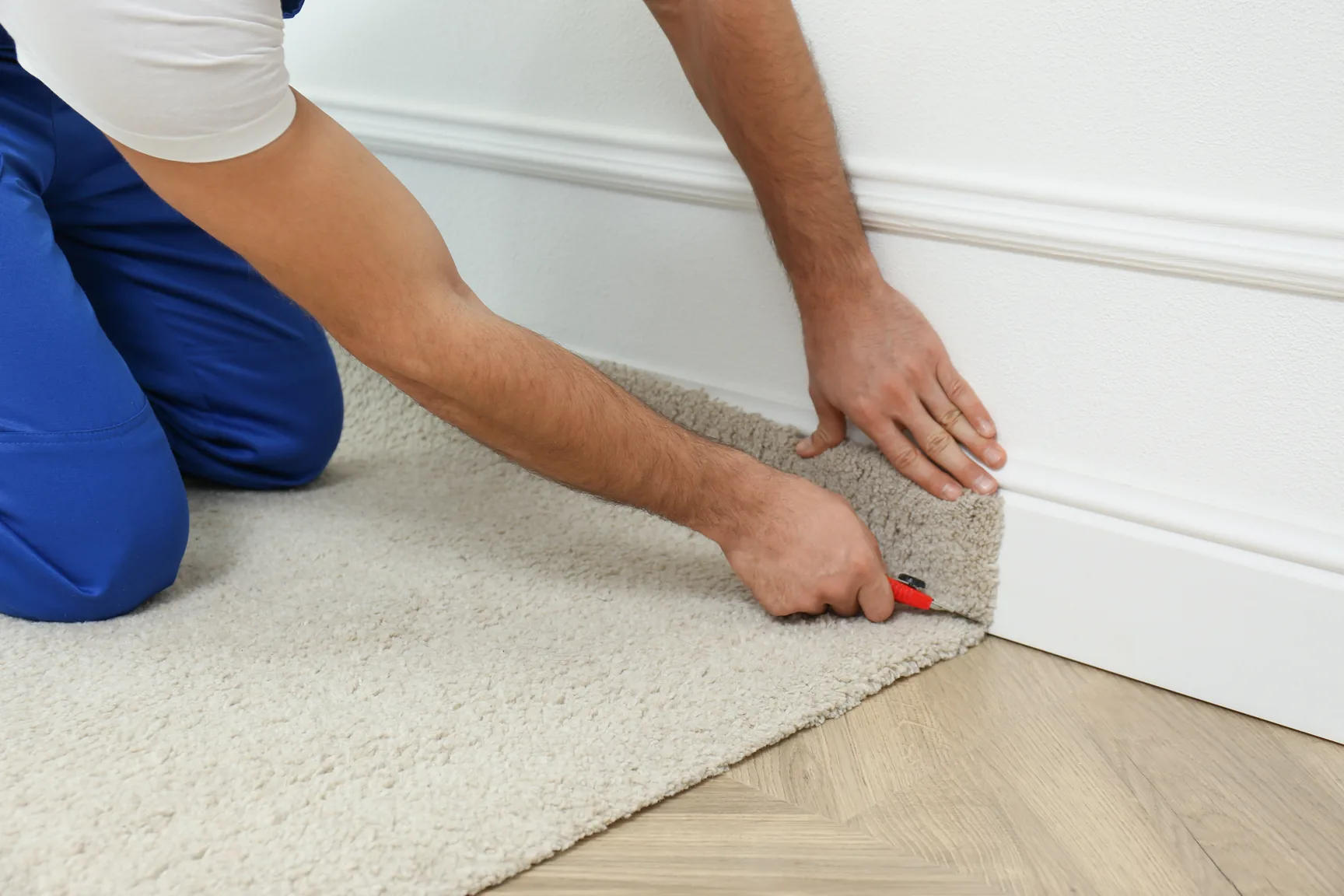
Commercial auto is the policy for the vehicles a flooring business drives and for the liability that comes with driving them. The cargo van hauling carpet rolls across town, the pickup with plank cartons in the bed, the enclosed trailer full of underlayment: when one of them is in an accident that hurts someone or damages their property, this is the policy built to respond.
It matters even to a shop with no vehicles titled to it. Your general liability steps away from autos by design, so a crash in a rented truck, or in a crew member’s own car on a run to the distributor, can reach the business with nothing underneath it. Below: which vehicles the policy describes, who is protected when someone else’s car is used, and where the load in the van hands off to another policy.
What a business auto policy pays for, and what rides outside it
The Business Auto Coverage Form, CA 00 01 10 13, is the standard ISO form as commonly written. Its liability coverage pays sums an insured is legally obligated to pay because of bodily injury or property damage caused by an accident and resulting from the ownership, maintenance or use of a covered auto. Physical damage coverage, when you buy it, pays for loss to a covered auto or its equipment. Carriers file their own editions and endorsements, and later editions of the form exist, so your policy wording decides a claim.
On a flooring job, the auto policy is usually about:
- another driver, a passenger or a pedestrian hurt in an accident involving your van or truck;
- someone else’s car, fence or storefront damaged by a vehicle your crew is driving;
- the vans, pickups and trailers themselves, when you carry physical damage on them;
- the business’s exposure when a rented truck or an employee’s own car is used on your work.
It usually leaves these to another policy:
- rolls, cartons, pad and tile riding in the van, and the saws and hand tools in the racks;
- injury or damage from unloading at the job once the material has reached its destination;
- a spill of adhesive, solvent or finish you are carrying, which the form’s pollution exclusion reaches.
Vans, pickups and trailers on a flooring crew’s route
Material moves from the distributor to the shop, from the shop to the job, and sometimes straight from the supplier to a customer’s driveway. Rolls, pad, hardwood and vinyl plank cartons and tile are heavy and bulky, and the doors open curbside on residential streets and in commercial loading areas. Every leg is an auto exposure.
The policy reads your vehicles through who drives them, whose name each is titled in, and what each is used for. A van titled to the business and driven by an employee is the plainest case. A pickup titled to the owner personally but used every day for jobs is a question to settle on the application, not after a claim. A trailer counts as an auto under the form when it is designed for travel on public roads, but whether a particular trailer is covered depends on how the policy is written.
Heavier trucks and work across state lines can bring federal or state registration duties on top of the insurance; your state’s motor vehicle agency, such as the California DMV’s commercial vehicle registration page, is the place to check.
A comparison set out in columns. The first column holds vehicles the business owns: the vans and pickups titled to it, and the specific vehicles listed on the declarations. The middle column holds hired vehicles: a truck the business rents, leases or borrows for a large delivery, which generally does not include a car borrowed from one of its own employees. The last column holds non-owned vehicles: an employee’s own car used on a business errand, where the protection runs to the business and the form responds excess over other collectible insurance. Any real claim turns on your own policy wording. No figures are shown.
Naming your covered autos in words, not symbols
The declarations page of a business auto policy uses short descriptions, printed as symbols, to say which autos each coverage reaches. The words behind the symbols are what a flooring owner needs to read:
- Any auto. The broadest description, reaching owned, hired and non-owned vehicles alike for the coverage it sits beside.
- Specifically described autos. Only the vehicles listed on the declarations with a premium charge shown, which suits a shop whose vans rarely change.
- Hired autos only. Vehicles the business leases, hires, rents or borrows, such as a box truck for a large commercial delivery.
- Non-owned autos only. Vehicles the business does not own, hire or borrow that are used in connection with its work, including an employee’s own car on a business errand.
The remaining descriptions are variations on owned autos. A policy that lists specific vehicles but carries no hired or non-owned description can leave the rented truck and the crew car uncovered, which is why we read those lines with you before quoting.
Rented trucks and a crew member’s own car on your errands
Hired auto coverage reaches vehicles your business rents, leases or borrows, often a larger truck taken for a single commercial order. The carve-out is easy to miss. A vehicle borrowed from your own employees, partners or members, or their households, is not treated as hired under the standard ISO form as commonly written.
Non-owned auto coverage is aimed at the other common case. A crew member drives to the tile store in his own car to pick up grout, and the trip ends in an accident; the injured party can pursue the business as well as the driver. Here the form protects the business. The employee who owns the car is not an insured under your policy for that car and looks to his own personal auto policy, and for any auto the business does not own, the form responds in excess of other collectible insurance.
On the business auto form, both come from the covered-auto descriptions rather than from a separate add-on, so a shop with no titled vehicles can buy a policy written for hired and non-owned autos only.
A stacked diagram of a loaded flooring van, read from the top down. The top layer is the saws, cutters and hand tools in the racks, which belong to an inland marine tools and equipment policy. Below it sits the load: rolls, cartons, pad and underlayment, which the auto form generally excludes as property you transport, and which is also inland marine’s subject. Below that sits the van itself and its equipment, which physical damage on the auto policy can reach. The bottom layer is liability for driving it, meaning injury or damage to others caused by an accident arising from the van’s use, which is what the auto policy is built around. Any real claim turns on your own policy wording. No figures are shown.
The van, not the flooring stock riding in it
Physical damage on a business auto policy is written for the covered auto and its equipment. The load is another matter. The liability side of the form excludes damage to property you own or transport, or that is in your care, custody or control, so rolls, cartons, saws and hand tools are not the auto policy’s subject, whether they are damaged in a crash or taken in a break-in. That property belongs on an inland marine tools and equipment policy.
Adhesives, solvents and finishes in the van raise a separate point: the auto form’s pollution exclusion reaches pollutants being transported or stored in the vehicle, apart from its own fuels and fluids, so a spill of carried product is not something to expect the auto policy to pay. The form also sets aside handling property after it reaches its final delivery point, and moving it with a mechanical device other than a hand truck unless the device is attached to the covered auto. Unloading at the job is where auto and general liability meet.
Installers who drive their own trucks to your jobs
Installers paid as independent contractors usually arrive in their own trucks. Under the business auto form, an installer paid that way is not your employee, their truck is not your auto, and they are not an insured under your policy. If they cause a crash on the way to your customer’s house, their own auto policy is the one that should answer.
Your business can still be named in that claim, and the non-owned idea is the closest fit for that exposure, though your own policy wording decides it. As a matter of practice rather than rule, when you collect a certificate from a 1099 installer, ask for their auto liability as well as the general liability and workers compensation you already check. The general liability page covers the rest of that certificate.
Road and curbside accidents involving flooring vehicles
Described as categories, without frequencies:
- A collision on the way to the job. A loaded van brakes late in traffic and hurts another driver or damages another vehicle.
- A door or ramp at the supply house. A rear door, liftgate or ramp swings into a parked car while material is picked up.
- A load that shifts. Unsecured cartons or rolls move in a turn and send the vehicle off the road.
Driver safety pays off before any of these is filed; the OSHA motor vehicle safety resources are written for employers whose crews spend the day on the road.
Setting auto liability limits and the vehicle schedule
A business auto policy carries a liability limit for accidents and, for each vehicle you choose, physical damage coverage for the vehicle itself. Rating turns on the kind of vehicle, how it is used, where it is kept and who drives it, so the driver list and the vehicle list shape the quote. We set limits against the jobs you bid and any contract that asks for proof of auto coverage, rather than naming a figure as though every flooring fleet were alike. When more liability is needed than the auto policy carries, it usually comes from an umbrella liability policy sitting above auto liability and your other liability policies.
Why place commercial auto with Flooring Business Insurance
As an independent agency, we can take a flooring fleet to more than one market and compare how each writes it. We read the lines that decide flooring auto claims: which covered-auto descriptions sit beside liability, whether hired and non-owned coverage is there for the rented truck and the crew car, and which trailers are actually listed. When the question is really about the load in the van, we say so and place it on the policy built for it.
Beyond the auto policy: related coverage and reading
What flooring owners ask about vans, trucks and auto coverage
A crew member takes his own car to the tile supplier for us. Does the business need auto coverage for that?
It is worth having. If that trip ends in an accident, the injured driver can look past your employee to the business that sent him. Non-owned auto coverage on a business auto policy protects the business in that situation, and it responds in excess of other collectible insurance. Your employee, as the owner of the car, looks to his own personal auto policy.
We rent a box truck when a commercial order is too big for the vans. Is the rental covered?
It can be, if your policy is written to include hired autos. That description, under the standard ISO form as commonly written, reaches vehicles you lease, hire, rent or borrow for the business. It does not reach a vehicle you borrow from one of your own employees, which the form treats differently.
Thieves emptied the van overnight. Does commercial auto pay for the stock and the saws?
Generally not. Physical damage on the auto policy is written for the vehicle and its equipment, and the liability side excludes property you are carrying. Flooring stock, saws and hand tools belong on an inland marine tools and equipment policy, which is the place to look for that loss.
Is the enclosed trailer we pull to jobs covered automatically?
Do not assume it is. The form counts a trailer built for public roads as an auto, but whether your trailer is covered depends on how your policy describes its covered autos and whether the trailer is listed. Send us the trailer details and we will check the declarations.
My 1099 installers drive their own trucks to our jobs. Does my auto policy cover them?
No. An installer you pay as an independent contractor is not your employee under the business auto form, and their truck is theirs to insure. In practice we suggest asking for their auto liability on the certificate you collect, alongside their general liability and workers compensation.
Nothing is titled to the business. Do we still need a commercial auto policy?
Quite possibly. Your general liability excludes injury and damage arising from autos, so a business that runs on rented trucks and crew cars can still be drawn into an accident claim. A business auto policy written for hired and non-owned autos only is one way to answer that.
An employee backed the van into a customer’s garage door. Which policy answers?
That is generally an auto liability claim, because the damage came from using the van. Your own policy wording and the facts decide it, so report it to us promptly rather than settling with the customer directly.
List your vans and drivers, and we will quote the auto
A licensed agent reads your vehicle list, your drivers and how the trucks are used, and comes back with how the markets would write your auto coverage.