
Coverage line
Inland Marine Insurance for Flooring Tools and Equipment
Coverage that follows the saws, sanders and meters from the van to the job and back — and the flooring stock you have bought but not yet put down.
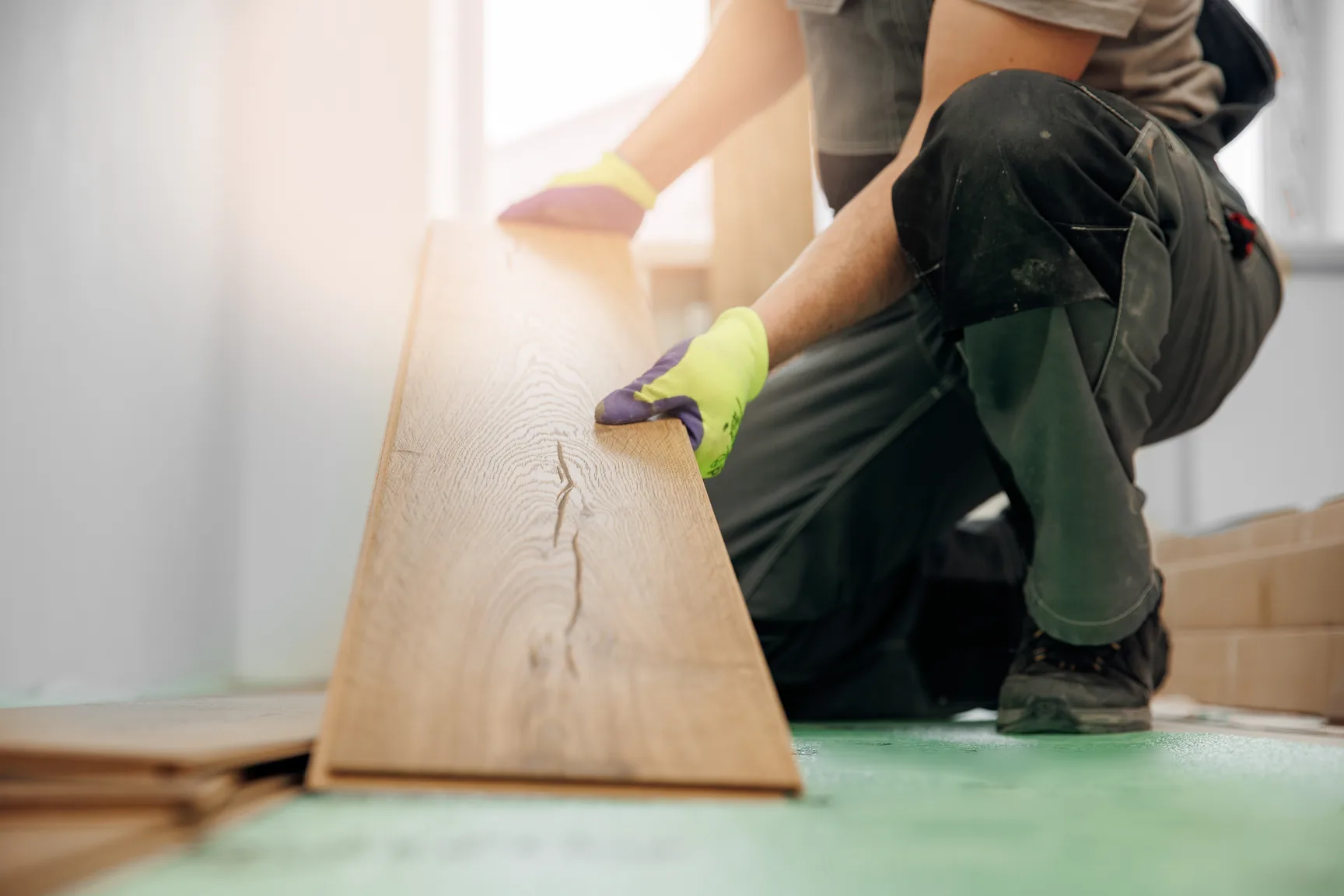
Inland marine is the coverage that follows your tools and equipment off the premises: into the van, onto the job and back to the shop at night. In a flooring shop, the list runs to the sanders, saws, nailers, stretchers, grinders, moisture meters and laser levels your crews carry every day. It can also reach the flooring stock you have bought for a job but not yet installed.
Despite the name, nothing here goes to sea. State regulators describe inland marine as property coverage for things kept on land, especially while they move, and list contractor equipment among its common uses. A property policy is written around an address, and your tools spend most of the week somewhere else. That is why they are usually insured on a floater, a form that covers property wherever it is within the policy territory.
What a tools and equipment floater picks up, and where it stops
On a flooring account, a floater is commonly written to cover:
- machines that travel: floor sanders, edgers and buffers, undercut saws, tile saws, and the grinders and scrapers used on tearout;
- installation and prep gear: flooring nailers, power stretchers, seaming irons, moisture meters, laser levels and dust extraction units;
- the hand tools every installer carries, usually under one amount rather than item by item.
The same kit sits beside other policies all day, and each answers for something different:
- the van hauling the tools is commercial auto, which is built around the vehicle and generally not the business property riding inside it;
- the shop building and the inventory and equipment kept there belong on commercial property;
- damage your work does to a customer’s walls, cabinets or furniture is general liability, which answers for other people’s property, never your own.
Saws, sanders and meters that leave the shop every morning
Most flooring crews load the van at the shop or at home, drive to a job, work, and on a multi-day commercial install may leave equipment staged on the floor overnight. To a property policy each of those is a different place: the shop is the address on the declarations, and the job, the van and the supply house lot are not.
A business owners or package policy may reach some tools at nearby job sites, and for a small operation that can be part of the answer. That reach is often narrow. A floater starts from the other end, covering the property where it happens to be rather than where it is kept. The Texas Department of Insurance gives business owners the same advice: if you use property your commercial property policy does not cover, ask your agent about inland marine.
Rented machines need their own look. A large-area sander rented for one job may be included on some forms and need to be added on others, so let us know what you rent.
For a plain-language look at the two floaters most flooring crews meet, one for tools and one for material bound for a job, see how tool and installation floaters differ.
Scheduled items and a blanket amount, side by side. On the scheduled side sit the large machines such as a floor sander, a grinder or a tile saw, each listed on the policy with its own stated amount, agreed before any loss and easy to identify when one is stolen. On the blanket side sits one amount across the class of small power tools and hand tools with no item-by-item list, often with a cap on any single item, which is why an expensive new tool belongs on the schedule instead. Many policies combine both. The wording of your own policy settles any real loss. No figures are shown.
Listing the big machines, blanketing the hand tools
Floaters are usually built in one of two ways, and many flooring policies mix them. A scheduled item is listed on the policy by name with its own stated amount: the drum sander, the large grinder, the tile saw you would miss most. A blanket amount is a single amount across a whole class of property without an item-by-item list, which is how the pile of small power tools and hand tools is usually handled.
Scheduling buys certainty on the machines that matter, because the value is agreed in writing before a loss. Blanket coverage spares you from listing every trowel and knife, but it often carries a cap on any single item, so an expensive tool that has drifted into the blanket can come up short. When you buy a new machine, move it onto the schedule. Keep a list with makes, serials, receipts or photos; it is what the schedule is built from, and what makes a theft claim straightforward to prove.
The van parked overnight: theft conditions to read first
Theft from a work van is the loss where the fine print decides the most. Vans sit loaded outside homes, jobsites and supply houses, and many tool and equipment forms attach conditions to theft from a vehicle.
Those conditions vary from one insurer to the next. Some forms ask that the tools were in a locked, fully enclosed vehicle or compartment. Some look for visible signs of forced entry. Some treat theft overnight differently from theft during the working day. No single condition applies everywhere, and the words on your own policy are what an adjuster will read. If your crews take vans home, or equipment rides in an open trailer or a pickup bed, say so when the policy is placed.
Read from top to bottom, the path starts when flooring material bought for a specific job is loaded at the distributor or the shop. It continues while the load is in transit to the job, and while the material is stored at or near the site, acclimating in the room or waiting in an off-site unit. It ends when the material is installed or the work is accepted, at the point your own form sets; after that the material is part of the building, and the owner’s property or builders risk insurance and your general liability for completed work take over. The wording of your own policy settles any real loss. No figures are shown.
Plank, tile and carpet rolls before they go down
Tools are only half of what a flooring business moves around. Material is the rest of it: pallets of hardwood, laminate or vinyl plank, tile, carpet and pad rolls, and underlayment, bought for a specific job and sitting somewhere between the distributor and the floor. Plank is often left in the room to acclimate, and on commercial work a delivery can wait in an off-site unit until the crew is ready.
An installation floater is the inland marine coverage written for that stretch. It covers materials from the point they are loaded for the job, through transit and storage at or near the site, until they are installed. Industry references describe it as a specialized kind of builders risk coverage, often written on the same kind of form, and the California Department of Insurance lists installation floaters beside equipment floaters among common inland marine coverages.
Ask where it ends. Once plank is nailed down or tile is set, the material is part of the building, and damage after that belongs to the owner’s property or builders risk insurance and to your general liability for completed work. Each form sets its own end point, at installation or at acceptance of the work. A pallet stolen from a driveway or stock soaked in a garage before the job starts is the exposure this floater answers.
Why no form number appears on this page
Other coverage pages on this site name the standard form a policy is usually written on. This one does not, on purpose. Contractors equipment and installation coverage are nonfiled lines: in many states insurers need not submit these forms and rates for approval, because the exposures are considered too varied to insure other than case by case. Advisory forms come from more than one source, and insurers also write their own. Floaters that share a name can therefore read quite differently, which is why we read your actual wording with you.
The kinds of loss a floater is bought for
These are categories, not predictions. Whether a given loss is paid depends on the facts and the form.
- Theft from a vehicle or a jobsite. A van broken into outside a house, or tools taken from a unit left open during a commercial install.
- Tools damaged in transit. A sander that comes off a ramp, or a tile saw crushed when a load shifts.
- Material damaged before it is installed. Plank soaked by a leak while it acclimates, or cartons crushed on the way to the site.
- Fire where equipment is kept between jobs. A storage unit or trailer that burns with tools and stock inside.
Setting the amounts: values, lists and what you keep yourself
Each scheduled item carries its own stated amount, the blanket carries one amount for the class, and an installation floater needs its own amount, set with the material you have in transit or waiting at a job in mind. A deductible applies to each loss, and how a loss is valued is set by the form. We would rather build the amounts from your list and your pattern of work than suggest a number: a crew that rents its heavy machines needs different amounts from one that owns them outright.
Why place your tools and stock with Flooring Business Insurance
As an independent agency, we work with markets that write flooring contractors, and on this line that matters, because the forms differ. We compare the parts that decide flooring losses: the vehicle theft conditions, how the blanket treats a single item, rented equipment, and where an installation floater ends. Then we check the seams with your auto, property and general liability, so a stolen saw or a wet pallet does not fall between policies.
Neighboring coverage, trades and outside reading
Coverage lines
Tools, vans and job stock: what flooring owners ask
Someone broke into my van overnight and took the sander. Will a tools floater pay?
It can, if the sander is covered property on the floater and the theft meets the conditions the form sets. Many tool and equipment forms add terms for theft from a vehicle, such as a locked, enclosed van or visible signs of forced entry, and the wording differs by insurer. The broken window on the van is a commercial auto question.
My business owners policy lists business property. Isn’t that enough for my tools?
Sometimes it is part of the answer. A business owners or package policy may reach tools kept at your premises and, on some forms, tools at nearby job sites, but that reach is often narrow. A floater is built for property that moves every day. Send us the policy and we will show you where its reach ends.
Should I schedule my tools one by one or buy a blanket amount?
Most flooring accounts use both. List the large machines individually so each has its own stated amount, and cover the small power tools and hand tools under one blanket amount. Ask how the blanket treats a single expensive item, because many forms cap it.
A pallet of plank we bought for a job was stolen from the customer’s driveway. Is that covered?
That is the exposure an installation floater is written for: material bought for a job, from loading through transit and storage at or near the site, until it is installed. A tools floater alone may not reach it. If you carry material to jobs, ask us to add the installation coverage.
When does coverage on flooring material end?
At the point your form sets, usually at installation or when the work is accepted. After that the material is part of the building. Damage to it then is a question for the owner’s property or builders risk insurance, and for your general liability if your finished work caused it.
Are rented floor machines covered on my floater?
It depends on the form. Some floaters include rented or borrowed equipment and some need it added. Let us know what you rent and how often, and check the rental agreement, which may already ask you to insure the machine.
Why is tools coverage called inland marine when nothing goes near water?
The name is historical. It grew out of insurance on goods in transit, and it now covers property kept on land that moves from place to place, which describes a flooring contractor’s kit well.
Send us your tool list and your material orders
A licensed agent reads your current coverage against what rides in the van and what waits at the job, and comes back with what the markets will write.